Updated on March 19, 2026
Food Safety, Health & Safety
14 min read
The Ultimate Guide to EHO Inspections: Free Food Hygiene Inspection Checklist

If you run a business that serves food, an Environmental Health Officer (EHO) inspection is one of the most important visits you’ll ever receive. It’s your opportunity to showcase your commitment to food safety, earn that coveted 5-star hygiene rating, and prove to your customers that you take their wellbeing seriously. But let’s be honest – EHO inspections can feel daunting, especially if you’re not sure what to expect or how to prepare.
The good news? With the right preparation and knowledge, achieving excellent results is absolutely within your reach. Whether you’re a seasoned hospitality pro or just starting out, this comprehensive guide will walk you through everything you need to know about EHO inspections – from understanding what inspectors look for to preparing your premises for success. We’ll also share expert tips from our team of food safety specialists who have decades of experience supporting businesses just like yours.
By the end of this guide, you’ll feel confident, prepared, and ready to impress when the EHO comes calling. Let’s dive in.
In this blog
- What is an EHO inspection?
- How often do EHO visit?
- What happens during a food hygiene inspection?
- What do EHO look for?
- What happens after an EHO visit?
- What happens if you fail an EHO inspection?
- Food hygiene inspection checklist for your next EHO visit
- Other tips for staying prepared for an EHO inspection
- Common mistakes in EHO inspections
- FAQs
What is an EHO inspection?
An EHO inspection, also known as a food hygiene inspection or EHO visit, is a thorough assessment carried out by trained Environmental Health Officers from your local council. EHO stands for Environmental Health Officer, and these professionals are responsible for making sure that food businesses across the UK comply with food safety laws and maintain high hygiene standards.
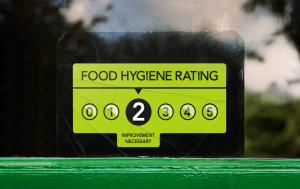
The primary purpose of an EHO inspection is to safeguard public health. By visiting establishments that serve food like restaurants, cafés, takeaways, and catering operations, EHOs help prevent foodborne illnesses, protect consumers, and maintain public confidence in the food industry. During an inspection, the EHO will assess various aspects of your business, from food handling and storage to the cleanliness of your premises and your staff training records. At the end of the inspection in England, Wales, and Northern Ireland, you’ll receive a Food Hygiene Rating between 0 (urgent improvement required) and 5 (hygiene standards are very good). In Scotland, EHOs issue a “Pass” or “Improvement Required” rating under the Food Hygiene Information Scheme (FHIS).
How often do EHOs visit?
If you’re a new business, you’ll need to register with your local council first. Once registered, an EHO will arrange an initial inspection to assess your premises and assign your first Food Hygiene Rating. After that, inspection frequency varies depending on several factors, including your business type, compliance history, and the level of risk associated with your operations.
High-risk establishments such as restaurants serving raw meat or operating at large scales can expect inspections every six months. Low-risk businesses, like shops selling pre-packaged food, might only be visited every five years.
Here’s the important bit: EHO inspections can be either scheduled or unannounced. While some inspections such as follow-up visits after previous issues might be pre-arranged, most inspections happen without warning. This is intentional, as unannounced visits allow EHOs to see your business operating under normal conditions and make sure that you’re maintaining standards consistently, not just when you know they’re coming.
It’s also crucial to understand that EHOs have the legal right to enter your premises at any reasonable time. Refusing entry to an EHO is a criminal offence, so it’s essential to greet them professionally and co-operate fully, no matter how busy you are. Remember, if you’re running your business well day-to-day, an unannounced inspection shouldn’t catch you off guard.
What happens during a food hygiene inspection?
When an EHO arrives at your premises, they’ll identify themselves and explain the purpose of their visit. The inspection typically begins with a walk-through of your operation, where the EHO observes how food is being handled, prepared, and stored.
First impressions really do count here. A good inspector can tell within minutes how professional and well-run your venue is based on the welcome they receive and what they see initially.
Throughout the inspection, the EHO will examine various areas of your business. They’ll check temperatures, look at your HACCP (Hazard Analysis and Critical Control Points) documentation, review training records, and speak with your staff to gauge their understanding of food safety practices. They might take food samples or photographs if they identify concerns. The EHO will also assess your premises’ structural condition, with everything from walls and floors to ventilation and lighting.
The goal isn’t to catch you out; it’s to make sure that you’re operating safely and that your customers aren’t at risk. At the end of the visit, the EHO may give you an indication of your rating – anything from 0 (urgent improvement required) to 5 (hygiene standards are very good). They’ll also provide feedback on any issues identified and explain what actions you need to take, distinguishing between legal requirements and recommended good practices.
What do EHOs look for?
EHO inspections assess your business across three main criteria, each playing a crucial role in your overall Food Hygiene Rating.
1. Food hygiene and safety procedures
This covers how hygienically food is handled throughout your operation. The EHO will examine food storage, preparation, cooking, re-heating, cooling, and handling practices. They’ll check that you’re maintaining proper temperatures (avoiding the danger zone of 8°C to 63°C), that raw and ready-to-eat foods are kept separate, and that equipment is clean and in good condition. Your HACCP plan must be clear, implemented, and understood by all food handlers, not just senior staff.
2. Structural requirements
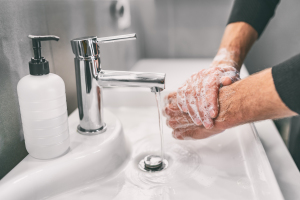
This assesses the physical condition and cleanliness of your premises. Inspectors evaluate whether your walls, floors, ceilings, doors, and windows are clean, well-maintained, and fit for purpose. They’ll check that you have proper ventilation and lighting, adequate facilities for hand washing (with hot water, liquid soap, and paper towels), and that raw and ready-to-eat preparation areas are appropriately separated by space or time. Your waste area must be tidy, and hot water must be available at all times, or you risk temporary closure.
3. Confidence in management
This is where the EHO assesses how well your business manages and records its food safety practices. They’ll review your documentation, including temperature logs, pest control records, training certificates, maintenance records, and cleaning schedules. The inspector will speak with your team to verify that all staff understand food safety procedures and have received appropriate training and supervision. Simply having policies and procedures isn’t enough; you need to demonstrate that they’re implemented and that your team genuinely understands them.
Additional areas inspected:
- Pest control: Effective measures to prevent contamination and evidence of proper pest management systems
- Waste management: Proper storage and disposal of food waste and general waste to prevent contamination
- Staff training: Documented evidence that all staff have received food safety training appropriate to their role (Level 2/Level 3)
What happens after an EHO visit?
Once the EHO has completed their inspection, you’ll receive formal written feedback outlining their findings. This will include your Food Hygiene Rating, which in England, Wales, and Northern Ireland is scored on a scale from 0 to 5:
- 5 – Hygiene standards are very good
- 4 – Hygiene standards are good
- 3 – Hygiene standards are generally satisfactory
- 2 – Some improvement is necessary
- 1 – Major improvement is necessary
- 0 – Urgent improvement is required
Your rating reflects the hygiene standards found on the date of the inspection. The rating considers everything from food handling practices to structural conditions and your management systems. Displaying your rating is compulsory in Wales and Northern Ireland, and increasingly important in England where many delivery platforms require businesses to achieve a certain rating before they can advertise on their sites.
If you receive a lower rating than expected, don’t panic – you have options. The Food Standards Agency provides three safeguards:
- Right to appeal: You have 14 days (including weekends and public holidays) to appeal if you believe your rating was unfair or inaccurate. During the appeal process, your business will appear as ‘awaiting publication’ on the Food Hygiene Ratings website.
- Right to reply: You can explain to customers what actions you’ve taken to improve since the inspection or comment on any unusual circumstances that may have affected your rating.
- Right to request a revisit: Once you’ve made the improvements requested by the local council, you can request a re-inspection before your next scheduled visit. Be aware though, there’s no guarantee your rating will go up, and it could even drop if new issues are found.
What happens if you fail an EHO inspection?
Failing an EHO inspection can have serious consequences for your business, both legally and reputationally. The potential outcomes depend on the severity of the issues identified.
- Improvement notices: For minor issues, you’ll receive an improvement notice clearly setting out what you need to do to comply and a timeframe for making corrections. These are formal requirements that you must address promptly.
- Follow-up inspections: The EHO will carry out follow-up visits to make sure that you’ve made the required improvements. If you haven’t, you’ll be at risk of further enforcement action.
- Closure orders: If major issues pose an imminent risk to public health, the EHO can issue an emergency prohibition notice forcing you to close immediately until the problems are resolved. This is the worst-case scenario and can be devastating for your business and reputation.
- Legal action: For serious breaches of food safety regulations, EHOs can initiate prosecution proceedings. This can result in substantial fines, imprisonment, or both, not to mention severe damage to your business’s reputation and credibility.
Beyond the legal ramifications, a poor Food Hygiene Rating can significantly impact your bottom line. With consumers more hygiene-aware than ever (especially since COVID-19), a low rating can deter customers, affect your online presence, and prevent you from partnering with major delivery platforms. That’s why prevention is always better than cure. Staying compliant and prepared should be an ongoing priority, not just something you think about when an inspection is due.
Food hygiene inspection checklist for your next EHO visit
Preparing for an EHO inspection doesn’t have to be overwhelming. Having a comprehensive checklist means that you’ve covered all bases and helps you identify any areas that need attention before the inspector arrives.
We’ve created a free, detailed EHO Inspection Checklist that walks you through everything an Environmental Health Officer will be looking for during their visit.
- Food hygiene and safety procedures
- Structural requirements and premises condition
- Management systems and documentation
- Staff training and competence
- Temperature control and record-keeping
Download your free EHO Inspection Checklist to make sure that you’re fully prepared for your next inspection and give yourself the best chance of achieving that perfect 5-star rating.
Other tips for staying prepared for an EHO inspection
Beyond the checklist, here are some expert tips from our team of food safety consultants, many of whom are former EHOs themselves.
Keep the outside tidy
First impressions start before the EHO even steps through your door. Make sure your external areas – including waste storage, delivery zones, and entrance areas – are clean, well-maintained, and pest-free. A tidy exterior signals that you care about standards throughout your operation.
Stay on top of record-keeping
Maintaining accurate, up-to-date records is absolutely crucial. Temperature logs, cleaning schedules, pest control reports, staff training certificates, and maintenance records should all be readily accessible and properly completed. Don’t wait until you see the EHO to scramble for paperwork – make record-keeping a daily habit.
Have a clear and comprehensive HACCP plan
Your HACCP plan must be more than just a document gathering dust in a drawer. It needs to be clear, simple, fully implemented, and understood by all food handlers, not just management. Food safety is everyone’s responsibility, and a strong food safety culture from top to bottom makes a huge difference.
Make sure your staff are trained correctly
Having policies and procedures means nothing if your staff don’t understand them. All food handlers should have at least Level 2 and supervisors at Level 3 . Training certificates should be renewed at least every three years. When an EHO speaks to your team, they should be confident, knowledgeable, and able to explain food safety practices clearly.
Use food safety compliance software
The most effective venues we’ve seen have made the switch to digital compliance. Food safety software like Alert65 means all your compliance information like HACCPs, allergen management, food complaints, supplier management, temperature control reports, cleaning schedules, and training records are stored in one place and easily accessible. No more running around searching for lost pieces of paper when the EHO arrives! Digital systems not only make your life easier but also give the inspector confidence that you’re managing food safety effectively.
Common mistakes in EHO inspections
Even well-run businesses can make avoidable mistakes during EHO inspections. Learning from common pitfalls helps you sidestep problems before they affect your rating.
We’ve compiled a helpful resource called Top Mistakes You Could Be Making in Your EHO Inspections, which highlights the errors that trip up businesses most frequently and how to avoid them. Download this guide to learn from others’ experiences and ensure you’re not making these common mistakes.
Download the Top Mistakes guide to stay ahead of potential pitfalls.
FAQs
When can an environmental health officer visit?
Environmental Health Officers can visit your premises at any reasonable time. Most inspections are unannounced to make sure that they see your business operating under normal conditions. EHOs have the legal right to enter food premises without prior notice and preventing them from carrying out their inspection is a criminal offence. While some visits (like follow-ups) may be scheduled, you should always be prepared for an unannounced inspection.
Do EHO inspections have to give notice?
No, EHOs do not have to give notice before conducting an inspection. While they might provide advance warning in certain circumstances – such as follow-up visits after previous issues or when specific documentation is required – the majority of inspections are unannounced. This approach makes sure that inspectors see genuine, day-to-day operating conditions rather than a specially prepared show for their benefit.
What authority do EHO inspectors have?
Environmental Health Officers have significant legal powers. They can enter premises at any reasonable time, inspect food preparation and storage areas, take food samples and photographs, review documentation, interview staff, and issue improvement notices or prohibition orders. In cases of serious non-compliance that pose immediate health risks, they can prosecute businesses, which can result in substantial fines or even imprisonment. Their authority is granted under food safety legislation to protect public health.
What should you do when an EHO arrives?
When an EHO arrives, greet them professionally and warmly. Ask to see their formal identification and authorisation documents. Notify a senior member of staff or manager immediately so they can accompany the inspector. Remain calm, professional, and helpful throughout the visit. Answer questions clearly and honestly without volunteering unnecessary information. If you don’t understand a question, ask for clarification. Provide the EHO with a quiet working area away from customers if they need to review documentation. Make key staff available on demand without disrupting service. Remember, co-operation and transparency work in your favour.
Ready to ace your next EHO inspection?
Preparing for an EHO inspection doesn’t have to be stressful. With the right knowledge, preparation, and ongoing commitment to food safety, achieving a 5-star hygiene rating is absolutely within your reach. Remember, the goal isn’t just to pass an inspection; it’s to build a culture of food safety that protects your customers, supports your team, and strengthens your reputation every single day.
At Food Alert, we’ve been helping hospitality businesses like yours prepare for EHO inspections for over 30 years. Our team of food safety experts – many of whom are former Environmental Health Officers themselves – understand exactly what inspectors are looking for and how to help you exceed their expectations. Whether you need expert guidance, comprehensive audits, staff training, or digital compliance solutions like Alert65, we’re here to support you every step of the way.
Want to take the stress out of your next EHO visit? Book a demo of Alert65 today and discover how our award-winning food safety software can transform your compliance processes, keep you inspection-ready 24/7, and give you the confidence that comes from knowing you’re managing food safety effectively.